

10 Warning Signs You May Need a Root Canal Treatment
Dantam Clinics
December 3, 2025
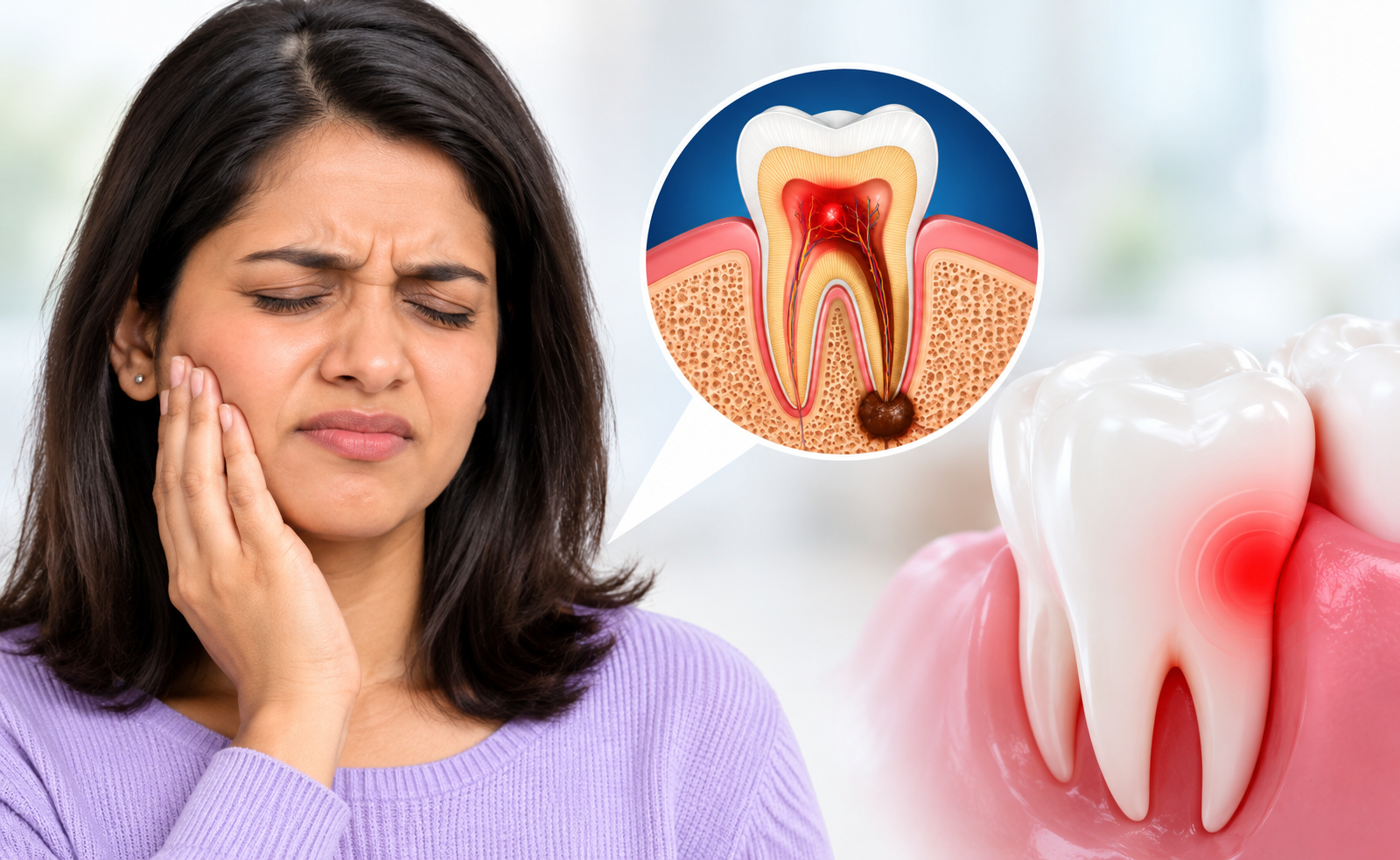
Signs you need a root canal should never be ignored, as they often indicate a deeper problem inside the tooth. Tooth pain is something most people experience at some point, but not all dental pain is the same. In many cases, persistent discomfort may indicate infection or damage within the tooth. One of the most common treatments used to save a severely infected or damaged tooth is root canal treatment.
Understanding the early signs you need a root canal can help prevent complications, reduce pain, and save your natural tooth. In this article, we will explore the most important warning signs, causes, and why timely treatment is essential.
What is Root Canal Treatment?
Root canal treatment is a dental procedure used to treat infection or damage inside the tooth pulp (the soft tissue containing nerves and blood vessels). When the pulp becomes infected due to decay, cracks, or injury, it can cause severe pain and swelling.
Instead of removing the tooth, dentists clean out the infected tissue, disinfect the area, and seal it. This helps preserve your natural tooth structure and restore normal function.
Why Root Canal Treatment Becomes Necessary
A root canal is needed when the infection reaches deep inside the tooth. Common causes include:
- Deep tooth decay
- Cracked or chipped tooth
- Repeated dental procedures on the same tooth
- Trauma or injury to the tooth
- Untreated cavities
If ignored, the infection can spread to surrounding tissues and even lead to tooth loss.
10 Warning Signs You May Need a Root Canal Treatment
Here are the most common symptoms that indicate you may require treatment:
1. Persistent Tooth Pain (Root Canal Symptoms)
One of the earliest and most noticeable root canal symptoms is continuous tooth pain. This pain may not go away and can range from mild discomfort to severe throbbing.
2. Severe Tooth Pain While Chewing
If you feel sharp pain when biting or chewing, it could indicate nerve damage or infection in the tooth root.
3. Sensitivity to Hot and Cold
Lingering sensitivity to hot tea, coffee, or cold water is a strong indicator of pulp damage. If the pain lasts even after removing the temperature trigger, it may be a warning sign.
4. Swollen or Tender Gums
Swelling near the painful tooth often suggests infection spreading beyond the tooth root. You may also notice tenderness when touching the area.
5. Darkening or Discoloration of the Tooth
A tooth that turns grey, brown, or darker than surrounding teeth may indicate internal tissue damage.
6. Recurring Gum Pimples
Small pimple-like bumps on the gums (also called abscesses) may appear and disappear. These are signs of infection draining from the tooth.
7. Prolonged Sensitivity
Unlike normal sensitivity, root canal-related sensitivity lasts longer and worsens over time.
8. Radiating Jaw or Ear Pain
Sometimes, tooth pain root canal symptoms are not localized. Pain may spread to the jaw, ear, or even the head.
9. Bad Taste or Bad Breath
A persistent bad taste in the mouth or foul breath can indicate infection or pus buildup around the tooth.
10. Loose Tooth
In severe cases, infection can weaken the supporting bone, making the tooth feel slightly loose.
What Happens During Root Canal Treatment?
The procedure is usually done in steps:
- The dentist numbs the area
- An opening is made in the tooth
- Infected pulp is removed
- The inside is cleaned and disinfected
- The tooth is sealed
- A crown may be placed for protection
Modern techniques make the procedure relatively painless and highly effective.
Is Root Canal Treatment Painful?
Many people fear root canals, but modern dentistry has made it much more comfortable. In fact, the treatment relieves the pain caused by infection rather than causing it.
Most patients feel better immediately after the procedure.
How to Prevent Root Canal Problems
You can reduce the risk by:
- Brushing twice daily
- Flossing regularly
- Avoiding sugary foods
- Visiting the dentist every 6 months
- Treating cavities early
Good oral hygiene plays a major role in preventing infection.
Recognizing early root canal symptoms is crucial for saving your natural teeth and avoiding severe dental complications. Persistent tooth pain root canal issues should never be ignored, as they often indicate deep infection.
If you notice any of the signs you need a root canal, consult a dentist immediately. Timely root canal treatment can relieve pain, restore your smile, and protect your oral health for the long term.
SUBSCRIBE
SUBSCRIBE TO OUR NEWSLETTER

How Often Should You Change Your Toothbrush?

Braces vs Aligners: Which Is Better for Straight Teeth?