

Why Are My Teeth Yellow Even Though I Brush Twice a Day?
Dantam Clinics
August 6, 2026
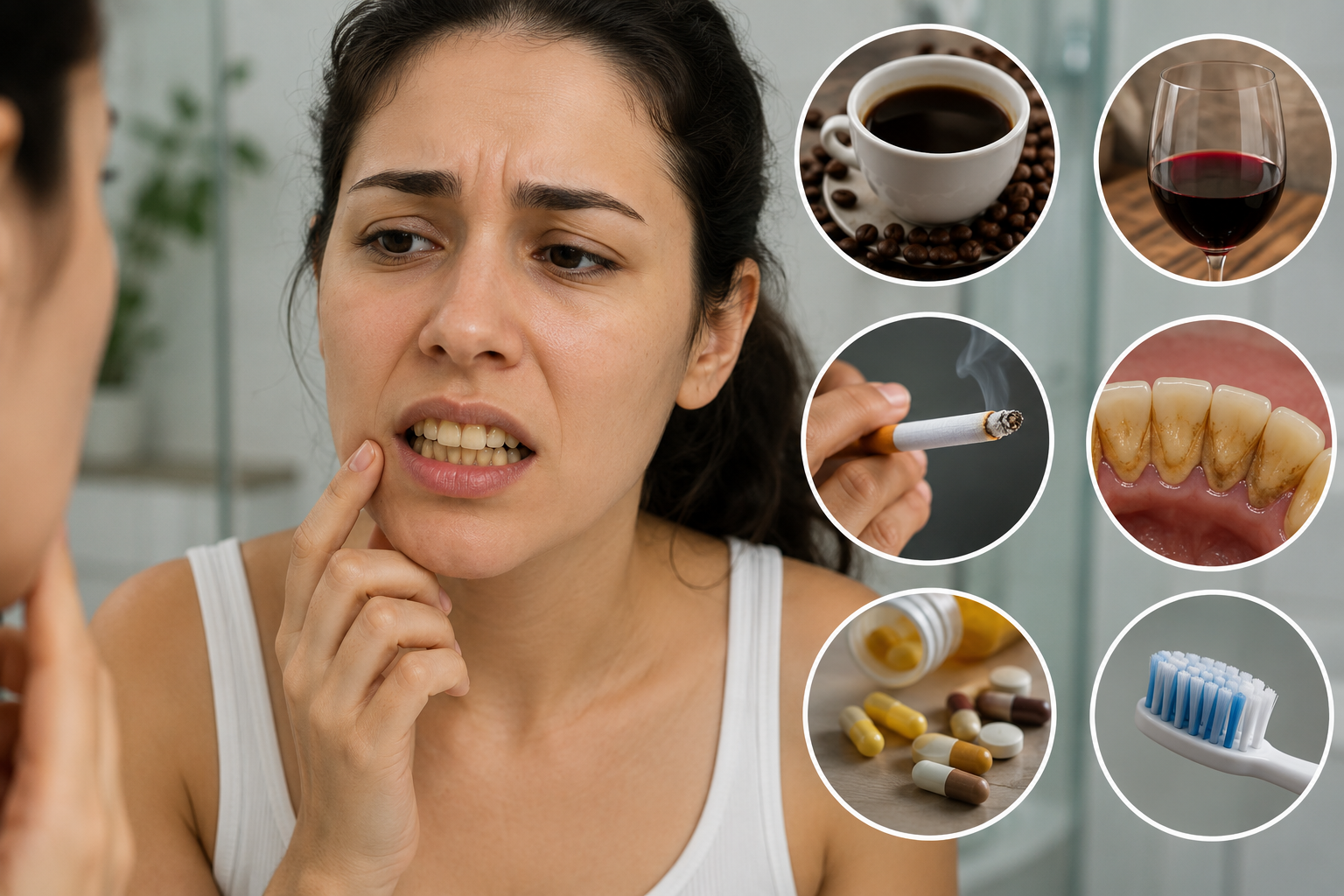
Have you ever wondered, Why Are My Teeth Yellow, even though you brush every day? Many people believe that regular brushing alone is enough to keep their teeth perfectly white. However, brushing mainly removes plaque and food particles, while many underlying causes of tooth discoloration remain unaffected. Factors such as aging, diet, genetics, enamel wear, medications and lifestyle habits can all contribute to a dull-looking smile. If you’ve noticed yellow teeth, you’re certainly not alone. Understanding the real reasons behind tooth discoloration is the first step toward choosing the right solution and achieving a healthier, brighter smile.
Understanding Tooth Color
Natural teeth are not completely white. Healthy teeth typically range from light ivory to slightly yellow shades. Enamel the protective outer layer of the tooth is not completely solid in color. It is naturally translucent which influences the overall shade of your teeth. Beneath the enamel lies dentin which has a naturally yellowish color. As the enamel becomes thinner over time the dentin becomes more visible making the teeth appear darker.
Why Do Teeth Become Yellow?
There are several reasons why teeth lose their natural brightness over time. Some are completely normal, while others are related to daily habits or oral health conditions.
1. Aging
As you age, the enamel gradually becomes thinner from years of chewing and everyday use. This exposes more of the yellow dentin underneath, making teeth appear darker even if they are healthy.
2. Foods and Beverages
Certain foods and drinks contain pigments that attach to the surface of the teeth over time.
These are among the most common causes of teeth stains.
Common stain-causing foods include:
- Coffee
- Tea
- Red wine
- Cola
- Curry
- Soy sauce
- Dark berries
Limiting stain-causing foods, rinsing your mouth with water after consuming them,
and maintaining good oral hygiene can help reduce tooth discoloration and keep your smile brighter.
3. Tobacco Use
Smoking and chewing tobacco don’t just affect your health, they can also discolor your teeth by leaving behind stubborn nicotine and tar stains. Initially, nicotine is colorless, but when exposed to oxygen it turns yellow or brown. Over time, these substances penetrate the enamel and create stubborn discoloration that brushing alone cannot remove.
4. Poor Oral Hygiene
Brushing and flossing help remove plaque before it hardens into tartar. When plaque remains on the teeth, it traps pigments from food and drinks, causing the teeth to appear darker over time.
Regular dental cleanings are equally important because hardened tartar cannot be removed with a toothbrush at home.
5. Genetics
Some people naturally have thicker enamel, while others inherit thinner enamel that allows the dentin to show through more prominently. Genetics can influence the natural shade of your teeth regardless of how well you care for them.
6. Certain Medications
Some antibiotics taken during childhood, as well as medications for allergies, high blood pressure, or chemotherapy, may contribute to changes in tooth color. These changes often occur beneath the enamel and may require professional treatment.
7. Excess Fluoride
While fluoride strengthens teeth, excessive exposure during childhood can lead to dental fluorosis. This condition may cause white streaks, yellow patches, or brown discoloration on permanent teeth.
Can Brushing Remove Yellow Teeth?
Brushing is one of the most important habits for maintaining oral health, but it has limitations.
- Remove plaque
- Eliminate food debris
- Reduce bacteria
- Prevent cavities
- Maintain fresh breath
However brushing cannot remove discoloration that develops beneath the enamel or stains that have penetrated the tooth surface over time.
This is why brushing twice a day may not always restore the natural whiteness of your teeth.
Extrinsic Stains vs Intrinsic Stains
Extrinsic Stains
Surface stains develop on the outer layer of the teeth and are commonly caused by:
- Coffee
- Tea
- Tobacco
- Colored foods
Intrinsic Stains
Intrinsic stains develop inside the tooth structure and may occur due to:
- Aging
- Dental trauma
- Certain medications
- Fluorosis
Lifestyle Habits That Affect Tooth Color
Several everyday habits influence how quickly discoloration develops.
Frequent Coffee and Tea Consumption
Dark beverages contain tannins that easily stick to enamel. With continued exposure, stains gradually build up, making tooth discoloration more noticeable over time.
Sugary Foods
Sugar feeds bacteria that produce acids, weakening enamel and making discoloration more noticeable.
Acidic Drinks
Soft drinks, citrus beverages, and sports drinks gradually erode enamel, allowing the yellow dentin underneath to become more visible.
Inadequate Hydration
Saliva naturally cleanses the mouth. Drinking enough water helps wash away pigments before they settle on the teeth.
Common Myths About Yellow Teeth
Myth 1: Yellow Teeth Always Mean Poor Oral Hygiene
Many people maintain excellent oral hygiene yet still develop naturally darker teeth due to aging or genetics.
Myth 2: Whitening Toothpaste Can Solve Every Problem
Whitening toothpaste helps polish away minor surface discoloration but cannot dramatically change the natural color of teeth.
Myth 3: Brushing Harder Makes Teeth Whiter
Aggressive brushing can actually wear away enamel, exposing more dentin and making teeth appear even darker.
Professional Ways to Brighten Your Smile
If brushing and regular oral hygiene are not giving you the results you want, it may be time to explore professional dental care. The right treatment depends on the cause of discoloration, whether it is surface staining or changes occurring inside the tooth.
A dentist will first examine your teeth to determine the reason behind the discoloration before recommending the most suitable option.
1. Professional Cleaning
Professional scaling and polishing remove plaque, tartar and surface discoloration that cannot be eliminated with a toothbrush. If your smile has lost its brightness because of coffee, tea or tobacco, a dental cleaning may significantly improve its appearance.
This procedure is often the first recommendation before considering cosmetic whitening.
2. Teeth Whitening Treatment
One of the most effective cosmetic procedures for improving the appearance of discolored teeth is teeth whitening treatment. Unlike over the counter products professional whitening uses clinically approved whitening agents under the supervision of a dentist.
Patients often notice visible improvement after a single appointment, although the exact results vary depending on the original shade of the teeth.
3. Teeth Bleaching
Although many people use the terms interchangeably, teeth bleaching generally refers to whitening procedures that lighten the natural color of the tooth beyond its original shade.
Modern teeth bleaching techniques use safe concentrations of whitening agents to break down stain molecules within the enamel. Professional supervision helps ensure predictable results while reducing the risk of irritation or uneven whitening.
Not everyone is an ideal candidate, so a dental examination is always recommended before beginning any bleaching procedure.
4. Dental Veneers
When discoloration is severe or caused by internal factors such as trauma or developmental changes, veneers may be recommended. Thin porcelain shells are bonded to the front surface of the teeth, creating a brighter and more uniform smile.
Unlike whitening, veneers also improve the shape and appearance of teeth.
5. Dental Bonding
Dental bonding uses a tooth-colored composite resin to cover localized discoloration, chips or minor imperfections. It offers a conservative option for improving aesthetics while preserving natural tooth structure.
Do Home Remedies Really Work?
Many people search online for home remedies to whiten teeth, hoping for quick and inexpensive solutions. While some home care practices may help reduce minor surface stains, they should never replace professional dental advice.
Common methods include:
- Maintaining excellent brushing habits
- Flossing every day
- Drinking plenty of water
- Limiting stain-causing foods
- Eating crunchy fruits and vegetables
Although these healthy habits support oral hygiene, they cannot dramatically change the natural shade of teeth.
Many articles also suggest baking soda, activated charcoal, lemon juice or hydrogen peroxide. However, frequent use of abrasive or acidic substances may damage enamel instead of improving your smile. Before trying home remedies to whiten teeth, it is always safer to consult a dentist.
Foods That Help Maintain a Brighter Smile
Certain foods naturally support oral health by stimulating saliva production and gently cleaning tooth surfaces.
Examples include:
- Apples
- Carrots
- Celery
- Cucumbers
- Cheese
- Yogurt
- Leafy green vegetables
These foods cannot replace professional care, but they can help reduce plaque buildup and support healthier teeth.
Foods and Habits That Cause Discoloration
Limiting stain-producing foods is equally important.
Try to reduce:
- Coffee
- Black tea
- Red wine
- Cola
- Dark-colored sauces
- Tobacco products
If you enjoy coffee or tea, drinking water afterward and rinsing your mouth can reduce the amount of pigment left on your teeth.
Healthy Habits for Whiter Teeth
Preventing discoloration is easier than treating it later. Small lifestyle changes can make a significant difference over time.
Brush Correctly
Brush twice daily for at least two minutes using a soft-bristled toothbrush and fluoride toothpaste.
Floss Every Day
Flossing removes plaque from areas your toothbrush cannot reach.
Visit Your Dentist Regularly
Routine dental checkups and cleanings help remove tartar and detect oral health problems before they become serious.
Drink More Water
Water helps rinse away food particles and pigments that contribute to staining.
Quit Smoking
Stopping tobacco use not only improves your smile but also benefits your overall oral and general health.
When Should You See a Dentist?
You should schedule a dental visit if you notice:
- Sudden tooth discoloration
- Dark spots that continue spreading
- Tooth sensitivity along with discoloration
- Uneven color changes
- Persistent staining despite good oral hygiene
Professional evaluation helps determine whether the discoloration is cosmetic or related to an underlying dental condition.
Can Yellow Teeth Become White Again?
In many cases, yes. The outcome depends on the cause of discoloration.
Surface stains often respond well to professional cleaning or teeth whitening treatment. Internal discoloration may require procedures such as teeth bleaching, bonding, or veneers.
The sooner the underlying cause is identified, the easier it is to choose the most effective treatment plan.
Smile Brighter with the Right Dental Care
A brighter smile starts with understanding the reason behind tooth discoloration rather than simply brushing harder. Whether the cause is aging, dietary habits, lifestyle choices, or natural enamel changes, identifying the underlying problem helps you choose the most effective solution.
Professional dental care, combined with healthy daily habits, can significantly improve the appearance of your smile. Whether you need a routine cleaning, a customized teeth whitening treatment, or advanced teeth bleaching, consulting a dentist ensures safe and effective results. By maintaining good oral hygiene and making informed lifestyle choices, you can enjoy a healthier smile with greater confidence for years to come.
Frequently Asked Questions
Why Are My Teeth Yellow even though I brush twice a day?
Brushing removes plaque and food particles, but it cannot always eliminate discoloration caused by aging, genetics, enamel thinning, or internal changes within the tooth. Professional evaluation can help determine the exact cause and the most suitable solution.
How do you get rid of yellow stains on teeth?
How do you get rid of yellow stains on teeth naturally?
Is teeth bleaching safe for sensitive teeth?
Can home remedies to whiten teeth replace professional treatment?
What causes teeth stains even after brushing?
SUBSCRIBE
SUBSCRIBE TO OUR NEWSLETTER
Does Chewing Gum Help or Harm Your Teeth?
Are You Brushing Your Teeth the Right Way?