

Do I Need a Root Canal? 10 Warning Signs You Should Never Ignore
Dantam Clinics
December 3, 2025
Many people ignore tooth pain, thinking it will go away on its own. However, persistent dental discomfort can sometimes indicate a serious infection inside the tooth. In such cases, root canal treatment may be required to save the tooth and prevent further complications.
If you have ever wondered, “do I need a root canal?”, understanding the early warning signs is very important. Identifying signs you need a root canal early can help reduce pain, avoid tooth loss, and protect your overall oral health.
In this article, we will explore the most common root canal symptoms, causes, and when you should visit a dentist immediately.
What Is Root Canal Treatment?
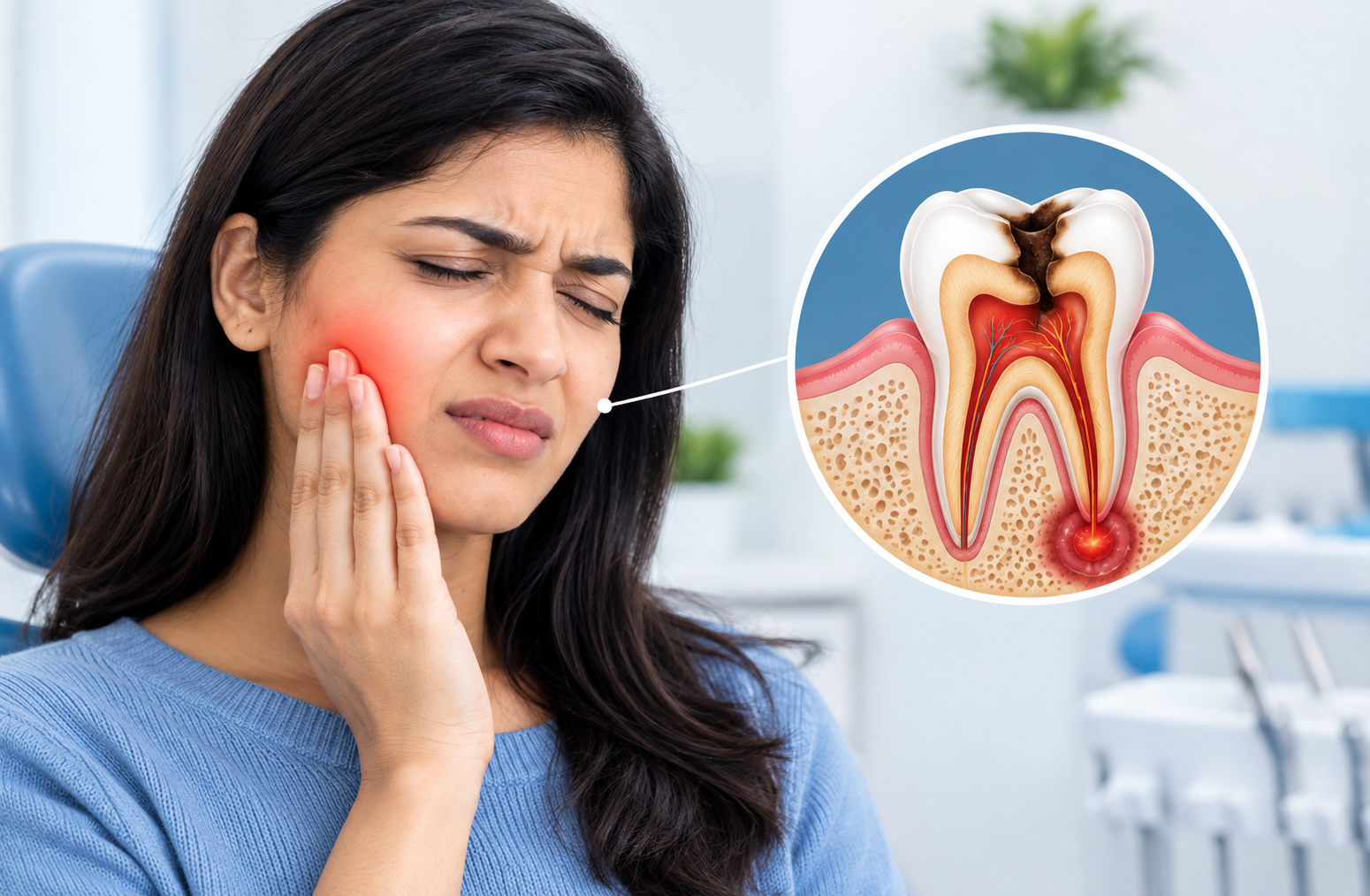
Root canal treatment is a dental procedure used to treat infection or damage inside the tooth pulp. The pulp contains nerves and blood vessels, and when it becomes infected due to decay or injury, it causes severe pain.
During the procedure, the dentist:
- Removes infected tissue
- Cleans the inside of the tooth
- Disinfects the area
- Seals the tooth
- Restores it with a filling or crown
This helps save the natural tooth instead of extracting it.
Why Root Canal Treatment Becomes Necessary
A root canal is needed when bacteria reach deep inside the tooth. This can happen due to:
- Untreated cavities
- Cracked or broken teeth
- Repeated dental procedures
- Tooth injury or trauma
- Deep decay reaching the nerve
If ignored, the infection can spread and cause abscesses or bone damage.
10 Warning Signs You May Need Root Canal Treatment
Here are the most important signs you need a root canal:
1. Severe Tooth Pain (Root Canal Symptoms)
One of the most common root canal symptoms is constant or severe tooth pain that does not go away.
2. Pain While Chewing or Biting
If you feel sharp tooth pain root canal discomfort while eating, it may indicate nerve damage.
3. Sensitivity to Hot and Cold
Lingering pain after consuming hot tea or cold water is a strong warning sign.
4. Swollen Gums
Swelling near the affected tooth may indicate infection spreading in the root area.
5. Tooth Discoloration
A tooth turning dark grey or brown can signal internal damage.
6. Gum Pimples or Abscess
Small bumps on the gums may indicate pus buildup from infection.
7. Persistent Bad Breath
Ongoing bad odor in the mouth can be caused by infected tooth tissue.
8. Radiating Jaw Pain
Pain may spread from the tooth to the jaw, ear, or head.
9. Loose Tooth
Infection can weaken the bone structure, causing teeth to feel loose.
10. Long-Lasting Sensitivity
Unlike normal sensitivity, root canal-related pain lasts longer and worsens over time.
How Dentists Diagnose If You Need a Root Canal
If you are unsure do I need a root canal, a dentist will perform:
- Dental X-rays
- Sensitivity tests
- Gum examination
- Pulp vitality tests
These help confirm infection inside the tooth.
Is Root Canal Treatment Painful?
Many people fear root canal treatment, but modern dentistry has made it nearly painless. Local anesthesia is used to numb the area, and most patients feel relief after the procedure because the infection is removed.
What Happens If You Delay Treatment?
Delaying root canal treatment can lead to:
- Severe infection
- Abscess formation
- Tooth loss
- Bone damage
- Spread of infection to other areas
Early treatment is always safer and less expensive.
How to Prevent Root Canal Problems
You can reduce your risk by:
- Brushing twice daily
- Flossing regularly
- Avoiding sugary foods
- Visiting the dentist every 6 months
- Treating cavities early
Good oral hygiene helps prevent most root canal symptoms.
When Should You See a Dentist?
Visit a dentist immediately if you experience:
- Severe or constant tooth pain
- Swelling in gums or face
- Sensitivity lasting more than a few days
- Signs of infection or abscess
Early diagnosis can save your natural tooth.
If you are asking “do I need a root canal?”, your body may already be showing warning signs. Recognizing early signs you need a root canal such as pain, swelling, or sensitivity is important for timely treatment.
Root canal treatment is a safe and effective way to save your natural tooth and stop infection from spreading. Understanding root canal symptoms and seeking early dental care can prevent complications and restore your oral health.
SUBSCRIBE
SUBSCRIBE TO OUR NEWSLETTER

How Often Should You Change Your Toothbrush?

Braces vs Aligners: Which Is Better for Straight Teeth?