

A Small Toothache Today Could Become a Bigger Problem Tomorrow
Dantam Clinics
September 9, 2026
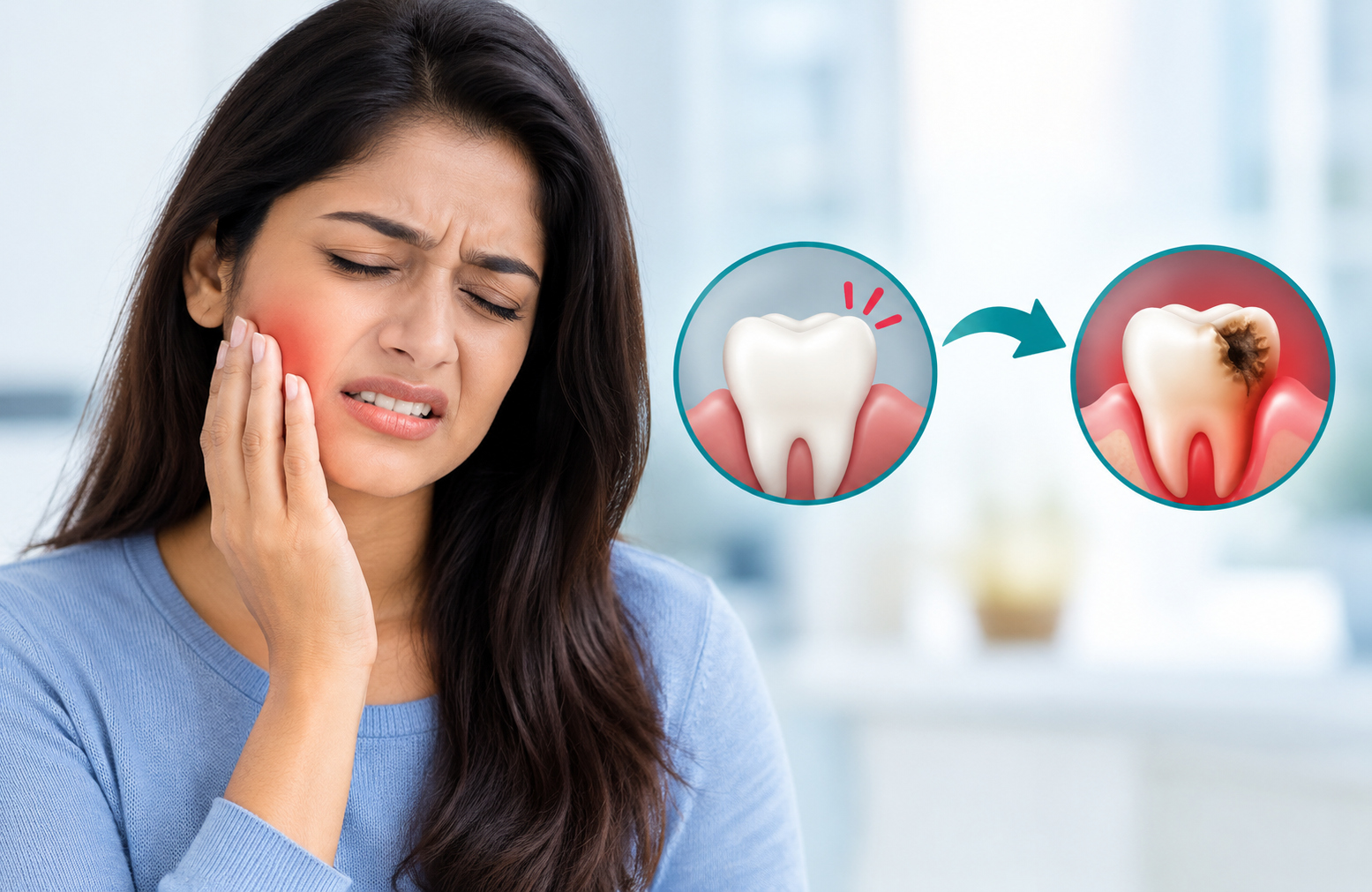
A toothache can be easy to dismiss, especially when discomfort is mild. You may hope it disappears after rest. However, a toothache can sometimes be an early warning sign of a problem that needs timely professional attention. Understanding the possible cause of teeth pain and seeking care early can often help prevent a minor issue from becoming a complicated dental problem.
Why a Toothache Should Never Be Ignored
A tooth does not usually start hurting without a reason. Pain may develop because of a cavity, infection, cracked tooth, gum inflammation, sensitivity, or pressure from an emerging wisdom tooth. In other cases, pain becomes constant and affects sleep, work and meals.
Ignoring the problem may allow the condition to progress. A small cavity can gradually reach the inner part of the tooth, where the nerve and blood supply are located. Without timely care, a problem that may initially be managed with a small dental restoration can progress and eventually require more complex procedures to save or remove the affected tooth.
Common Reasons Behind Tooth Pain
There are many possible toothache causes, and the intensity of pain does not always show how serious the problem is. The cause of teeth pain varies. Common reasons include tooth decay, gum infection, cracked or broken teeth, trapped food, worn enamel, dental abscesses, damaged fillings or crowns, and wisdom tooth problems. Because several conditions can feel similar, a dental examination is the safest way to identify the problem.
When Mild Pain Becomes a Bigger Problem
Dental problems rarely improve simply because pain disappears. Sometimes pain reduces when a nerve inside the tooth becomes severely damaged, even though infection may still be present.
Untreated decay can become deeper, cracked teeth can worsen with chewing, and gum infections can affect the tissues supporting your teeth. Early treatment is often simpler and less extensive than treatment after the condition progresses.
Warning Signs You Should See a Dentist
What About Instant Dental Pain Relief?
Many people look for temporary relief when discomfort suddenly interrupts their day. A cold compress, avoiding very hot or cold foods, and using appropriate over-the-counter pain medicine according to the label may provide temporary comfort.
While these measures may help ease discomfort for a short time, they do not address the dental issue causing the pain. Avoid placing aspirin directly on the gums because it can irritate oral tissues. The goal should be to reduce discomfort safely while arranging a dental examination to identify the source.
How Dentists Treat the Underlying Problem
The right treatment depends on the diagnosis. Treating decay in its early stages is usually simpler, but deeper damage may require additional procedures to preserve the affected tooth. Gum treatment, crown replacement, crack repair, or wisdom tooth treatment may be appropriate in other situations.
If the problem is advanced decay, your dentist will determine the most suitable toothache decay treatment based on the condition of the tooth and surrounding tissues.
Can You Prevent Future Toothaches?
Brush twice daily with fluoride toothpaste, clean between your teeth daily, limit frequent sugary snacks and drinks, and schedule regular dental check-ups. A tooth that becomes sensitive, hurts while chewing, or reacts differently to temperature deserves attention.
A Small Problem Deserves Timely Care
It is tempting to wait when discomfort is mild, especially when pain comes and goes. Yet your mouth often gives warning signs before a problem becomes serious. Acting early can protect your natural teeth and make treatment easier.
Do not rely only on home remedies for ongoing discomfort. A dental examination can identify the reason for pain and help you choose appropriate treatment before a small problem becomes bigger. Remember that instant dental pain relief is only a short-term measure, not a substitute for diagnosis. The reason for tooth pain may require an examination and X-rays. Different dental conditions need different solutions, and delaying toothache decay treatment can allow damage to progress.
Frequently Asked Questions
Can a small toothache become a serious dental problem?
What are the common toothache causes?
What is the cause of teeth pain when eating or drinking?
Is instant dental pain relief a permanent solution?
What happens if tooth decay is left untreated?
SUBSCRIBE
SUBSCRIBE TO OUR NEWSLETTER

Why Do Your Teeth Hurt When You Eat Something Cold or Sweet?
A Small Toothache Today Could Become a Bigger Problem Tomorrow