

How to Fix Teeth Gaps and Improve Your Smile
Dantam Clinics
October 24, 2026
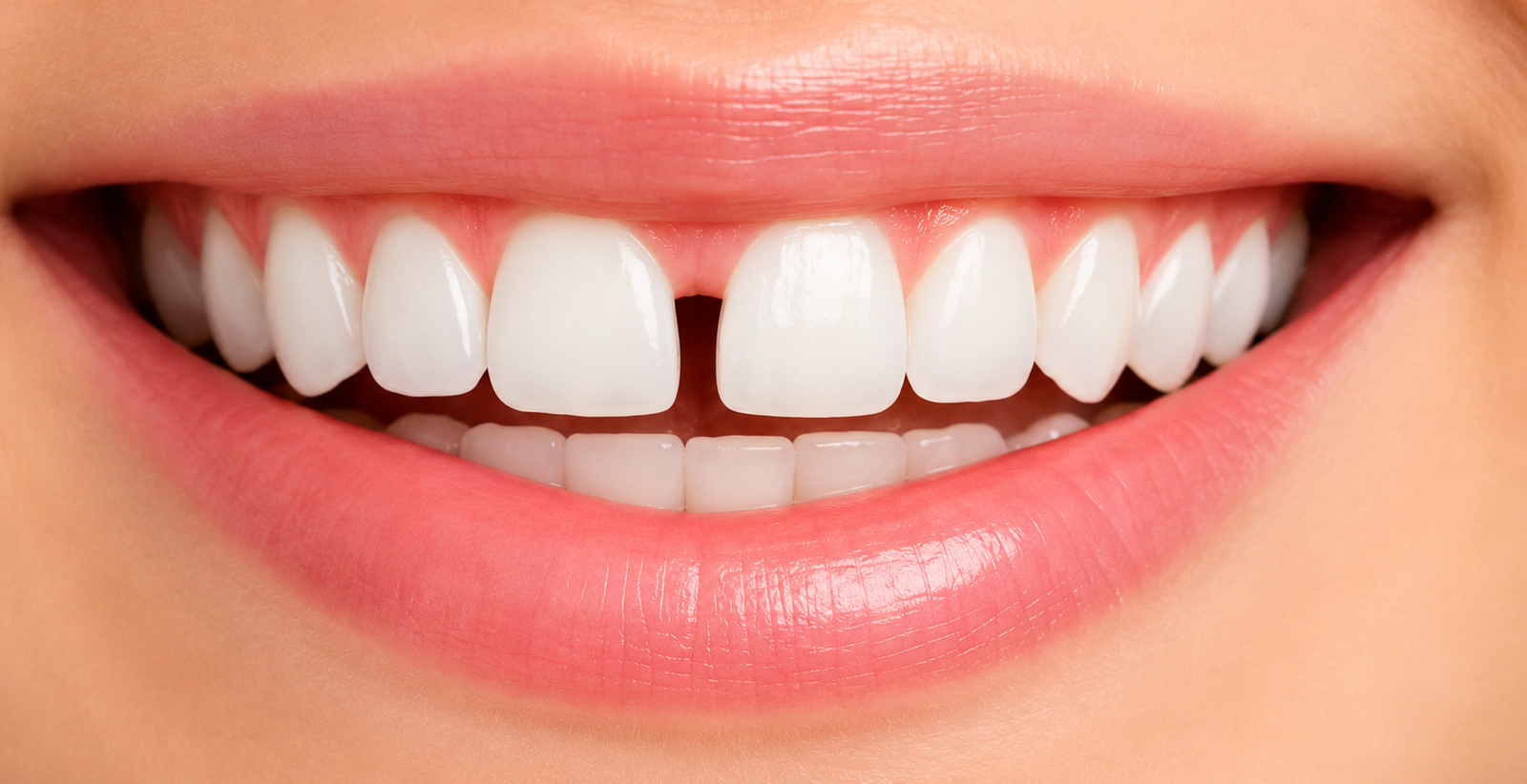
Teeth Gaps are a common dental concern that can affect the appearance of your smile. Some people naturally have spaces, while others notice them developing over time. Causes include differences in tooth and jaw size, missing teeth, and gum problems. Depending on the cause, a dentist may recommend bonding, braces, clear aligners or veneers to improve the appearance and alignment of your smile.
Causes of Teeth Gaps
It is important to identify causes of spaces between teeth.
Natural Tooth and Jaw Size
Teeth that are undersized when compared with the jaw can create spaces between teeth naturally. A gap between teeth may appear, or persist through childhood and erupt with permanent teeth.
Missing or Undersized Teeth
Missing teeth can leave spaces, and teeth around missing spaces can shift into them. Teeth that are undersized can also leave additional spaces between adjacent teeth.
Gum Disease and Tooth Movement
Gum disease can cause the tissue and bone that support teeth to dissolve, loosen, or move teeth. Call a dentist if spaces between teeth widen, and gums bleed, swell, or change the way teeth fit together.
Are Teeth Gaps a Dental or Cosmetic Concern?
Some spaces between teeth are normal and do not require treatment. However, spaces between teeth can trap food particles or make it harder to clean surfaces. It is a good idea to have new spaces or widening spaces evaluated before cosmetic treatment.
How to Close Gaps Between Teeth
How to close gaps between teeth depends on the cause, and their size. A dentist can help you understand what procedures are available and their limitations.
Dental Bonding for Small Spaces
Dental bonding uses tooth coloured composite resin that is sculpted onto the surface of teeth to address selected spaces. Dental Bonding for Gaps can address small spaces and is sometimes completed in one visit. The resin should last several years but can chip, stain, and wear, requiring maintenance. Your dentist can determine if this option is right for your teeth and bite.
Orthodontics
Braces and clear aligners can move teeth to close spaces between teeth. Orthodontic treatment may be a good choice for multiple spaces between teeth, irregularly shaped teeth, and improper bites.
Veneers
Veneers are thin covers for the surface of teeth that may improve selected spaces and teeth irregularities. This procedure depends on the teeth shape, and bite pattern, sometimes requiring the top layer of enamel to be removed.
How to Treat Missing Teeth
The options for replacing missing teeth depend on the number of teeth, bone density, and gum health, as well as neighbouring teeth.
1. Dental Implants
Dental implants replace tooth roots with artificial ones capable of supporting replacement teeth. Implants can be used to replace one or more teeth depending on the treatment plan.
2. Dental Bridges
Dental bridges replace missing teeth with options that span between them using nearby teeth or implants for support.
3. Removable Partial Dentures
Partial dentures can replace one or more missing teeth and are removable for cleaning. Partials may be a good option for several missing teeth.
4. Complete Dentures
Complete dentures replace all the teeth in a jaw when none remain. They are removable and suitable for when there are no natural teeth left in a jaw.
5. Implant-Based Dentures
These dentures replace all or most of the teeth in a jaw using implants for support. Dentures that use implants may be a good option for people who have lost most of the teeth in one or both jaws, depending on their oral health.
A dentist can evaluate your teeth, and discuss the different options. Ask your dentist about the procedure, timing, and maintenance, and costs.
Which Teeth Spacing Treatment Is Right for You?
The right teeth spacing treatment depends on the size of the space, teeth alignment, and the health of your gums, as well as your goals. A gap between teeth can be addressed in different ways. A gap between teeth can be replaced with a dental implant or bridge if it is caused by a missing tooth. Orthodontics may be a good option for larger gaps or misalignment. Bonding may suffice for smaller spaces, and veneers can address selected cosmetic concerns. Your dentist can assess your mouth to help you decide which procedure is right for you.
Before choosing care, ask what caused a space, which options do not affect the teeth structure, and what maintenance is required. A gap between teeth may seem simple, but it can have a range of possible causes. Your dentist can review the costs, visits, and limitations of treatment to help you understand what to expect with each option for teeth spacing treatment and help you determine if Dental Bonding for Gaps is appropriate for your needs.
Teeth Gap Treatment at Dantam Dental Clinics in Kondapur
Dantam Dental Clinics in Kondapur can help people who want to address their teeth gaps. The right option depends on the size of the space, alignment, and the health of your gums, as well as your goals.
The dentist can assess your teeth and discuss bonding, orthodontics, or veneers. Gum problems and missing teeth may need to be addressed before cosmetic treatment.
Discuss treatment options, timing, and maintenance with the dental team to help you decide.
Book a dental consultation today to learn which treatment may be suitable for your smile. Visit the Dantam Dental Clinics appointment page to schedule your appointment.
Frequently Asked Questions
What causes teeth gaps?
Spaces between teeth form naturally or develop for different reasons. A dentist can review possible causes for spaces between teeth.
Can dental bonding close small spaces?
Dental bonding adds tooth coloured composite resin to teeth. It can address selected spaces depending on the teeth shape and bite.
Do all gaps need treatment?
No. Some spaces between teeth are normal and do not require treatment. It is a good idea to have new or widening spaces assessed by a dentist.
How long does treatment take?
Dental bonding can be completed in one visit, whereas orthodontics can take months or longer depending on the complexity of treatment.
Are teeth gaps filled permanently?
No treatment lasts permanently in every case. Dental bonding may chip or wear, veneers need maintenance, and orthodontics may require retainers. The longevity of teeth gaps filled depends on the procedure and maintenance.
SUBSCRIBE
SUBSCRIBE TO OUR NEWSLETTER

Teeth Grinding at Night and Its Hidden Impact on Dental Health

Can Your Tongue Be the Reason for Bad Breath?