

Hyderabad’s Most Respected Dental Chain

–  Book Your Appointment Today !

Now Accepting New Patients

–  Book Your Free Consultation Today!

Now Accepting New Patients

–  Book Your Free Consultation Today!

Teeth Grinding at Night and Its Hidden Impact on Dental Health
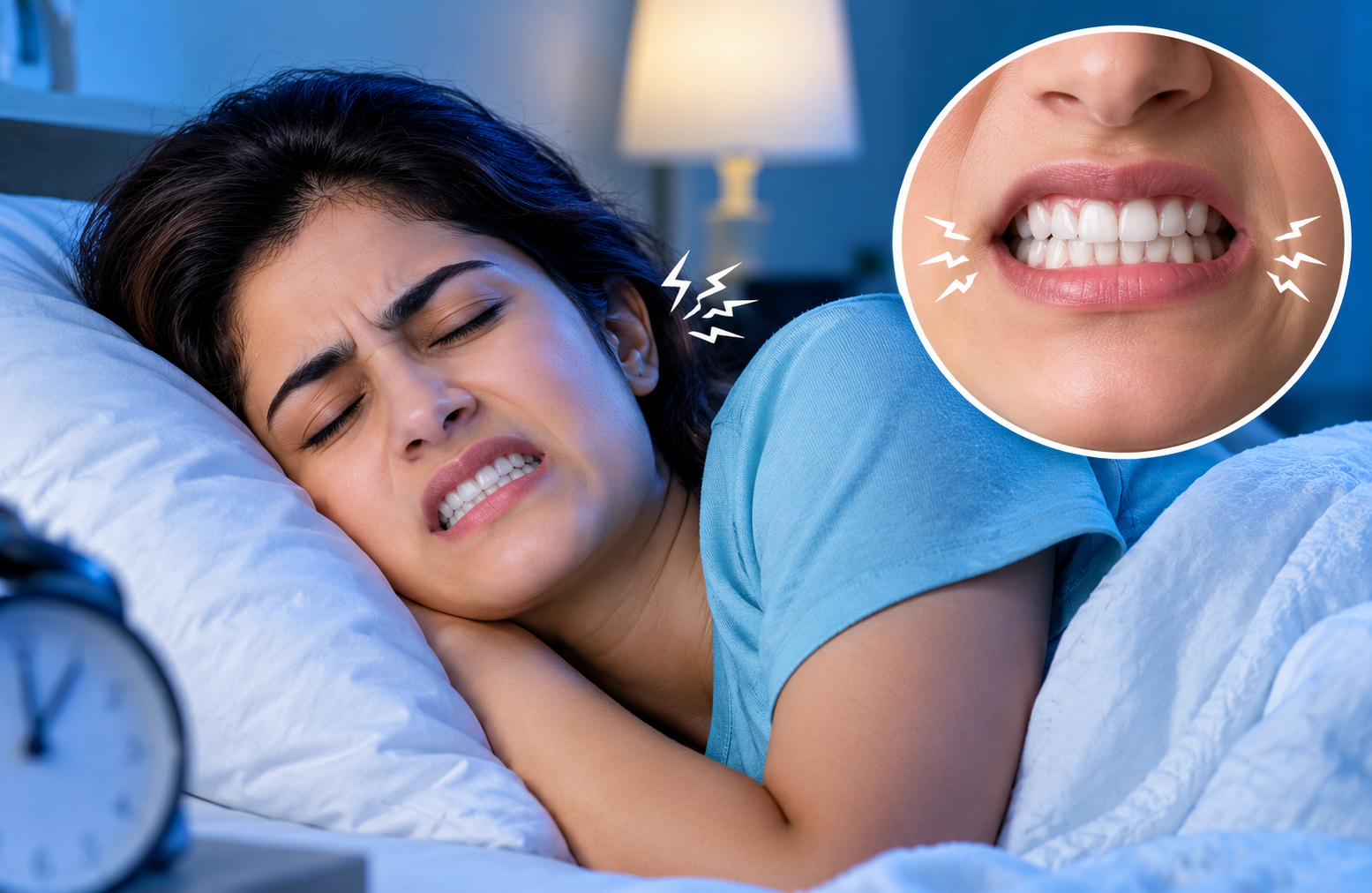
Teeth Grinding at Night
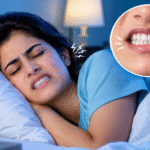
Morning jaw pain, headaches or sensitive teeth may be linked to Teeth Grinding at Night. People with this condition unconsciously clench or rub their teeth together while sleeping. Repeated grinding can affect enamel, jaw muscles and overall oral health. Knowing the warning signs can help protect your smile.

What Is Bruxism?

Teeth grinding, also called bruxism, happens when a person clenches the jaw or rubs the upper and lower teeth together. It can occur during the day or sleep, but nighttime episodes often go unnoticed.

Sleep Bruxism means grinding or clenching during sleep. Repeated involuntary jaw movements can wear enamel, increase sensitivity and cause discomfort.

Common Causes of Nighttime Teeth Grinding

Grinding may be linked to physical, psychological and lifestyle factors.
1. Stress and Anxiety
Stress, anxiety and demanding work schedules may increase jaw muscle activity. Some people clench unconsciously when tense or unable to relax.
2. Sleep Issues

Conditions such as obstructive sleep apnoea may be associated with grinding. Frequent waking and poor quality sleep can also occur. Discuss loud snoring or daytime tiredness with a healthcare professional.

3. Lifestyle Habits
Caffeine, alcohol and tobacco may increase grinding risk. Caffeine late in the evening can also affect sleep quality.
4. Medication and Other Factors

Some medicines, including certain antidepressants, may contribute. Genetics and nervous system differences may also play a role.

Signs and Symptoms

Grinding often goes unnoticed until symptoms appear. Signs include:
  • Morning headaches, especially around the temples.
  • A stiff or sore jaw after waking.
  • Sensitivity to hot and cold foods.
  • Flattened, chipped or worn teeth.
  • Pain while chewing or opening the mouth.
  • Clicking around the jaw joint.
  • Facial muscle discomfort or disrupted sleep.
A partner may hear grinding sounds. Some describe it as crushing teeth during sleep, even without remembering it. The phrase crushing teeth during sleep can describe forceful clenching during sleep.

How Can Grinding Affect Your Dental Health?

Effects depend on frequency, pressure and duration.
1. Enamel Wear and Tooth Damage
Enamel protects each tooth. Grinding can wear it down, expose dentin and increase sensitivity. Strong pressure may also cause cracks, chips or fractures.
2. Increased Tooth Sensitivity
Thinner enamel can make hot, cold or sweet foods uncomfortable. Sensitivity has other possible causes, so seek a dental examination.
3. Jaw Pain and Muscle Fatigue
Clenching overworks jaw muscles, causing morning soreness or stiffness. Discomfort may also affect the cheeks, ears and temples, or make opening the mouth difficult.
4. Damage to Dental Restorations
Grinding stresses fillings, crowns and bridges. Pressure may cause cracks, fractures or loosening. Tell your dentist if dental work becomes uncomfortable.
5. Temporomandibular Joint Discomfort
This joint connects the lower jaw to the skull. Clenching may aggravate it, causing pain, clicking or restricted movement. A dentist can assess these symptoms.

How Is Grinding Diagnosed?

A dentist checks for worn enamel, damaged teeth, jaw tenderness and bite changes. They may ask about headaches, sleep, stress and grinding sounds.

If a sleep disorder is suspected, your dentist may recommend further assessment. The examination helps guide a suitable care plan.

Treatment Options for Teeth Grinding at Night

Treatment aims to protect teeth, ease discomfort and address contributing factors.
1. Custom Night Guard
A custom night guard creates a barrier between upper and lower teeth, helping protect them from direct contact. It may not stop grinding itself. Your dentist can check whether it suits your bite.
2. Stress Management
Meditation, breathing exercises, exercise and a regular bedtime routine may help manage stress and support better sleep.
3. Lifestyle Changes
Reduce caffeine, avoid tobacco, limit alcohol and maintain regular sleep hours. These steps may help but are not a guaranteed cure.
4. Repairing Dental Damage

Fillings, crowns or other restorative treatments may repair damage. Your dentist can recommend an option based on each tooth’s condition.

5. Addressing Sleep Conditions
If a sleep disorder is involved, a healthcare professional can recommend assessment and treatment.

When Should You Visit a Dentist?

See a dentist for recurring jaw pain, headaches, chipped teeth, sensitivity or chewing difficulty. If you notice teeth gritting, an examination can identify possible causes and suitable preventive care. Mention relevant medicines, sleep changes and habits. The search phrase teeth grouting may refer to nighttime clenching, but assessment is needed. Ask about teeth gritting, discuss bruxism grinding teeth, then ask whether teeth gritting and bruxism grinding teeth require assessment.

Dental Care at Dantam Dental Clinics in Kondapur

If you experience jaw discomfort, headaches, sensitive teeth or visible wear, a dental consultation can assess possible causes and damage. At Dantam Dental Clinics in Kondapur, patients can discuss oral health concerns and receive recommendations based on their needs. Services include preventive care, restorative treatments and orthodontics. A dentist can examine enamel wear, jaw tenderness and existing restorations. If you have Sleep Bruxism symptoms, the dentist can discuss protective options such as a custom night guard. Recommendations depend on your examination.

Frequently Asked Questions

What causes teeth grinding at night?
Stress, anxiety, sleep conditions, medicines, caffeine and lifestyle habits may contribute. Causes vary, so assessment can help identify relevant factors.
Frequent grinding can wear enamel, damage restorations and cause sensitivity or jaw discomfort. Early advice may limit damage.

Sleep Bruxism happens during sleep, daytime grinding occurs while awake. Both place pressure on teeth and jaw muscles.

Seek dental advice for jaw pain, headaches, sensitivity or visible wear. The term bruxism grinding teeth describes repeated clenching that can affect teeth and jaw muscles. A dentist can recommend suitable care.
It means forceful clenching while asleep. A partner may hear sounds or a dentist may notice wear. Crushing teeth during sleep should be assessed if symptoms persist.