

Can Bone Grafting Restore Your Jawbone Strength?
Dantam Clinics
November 20, 2026
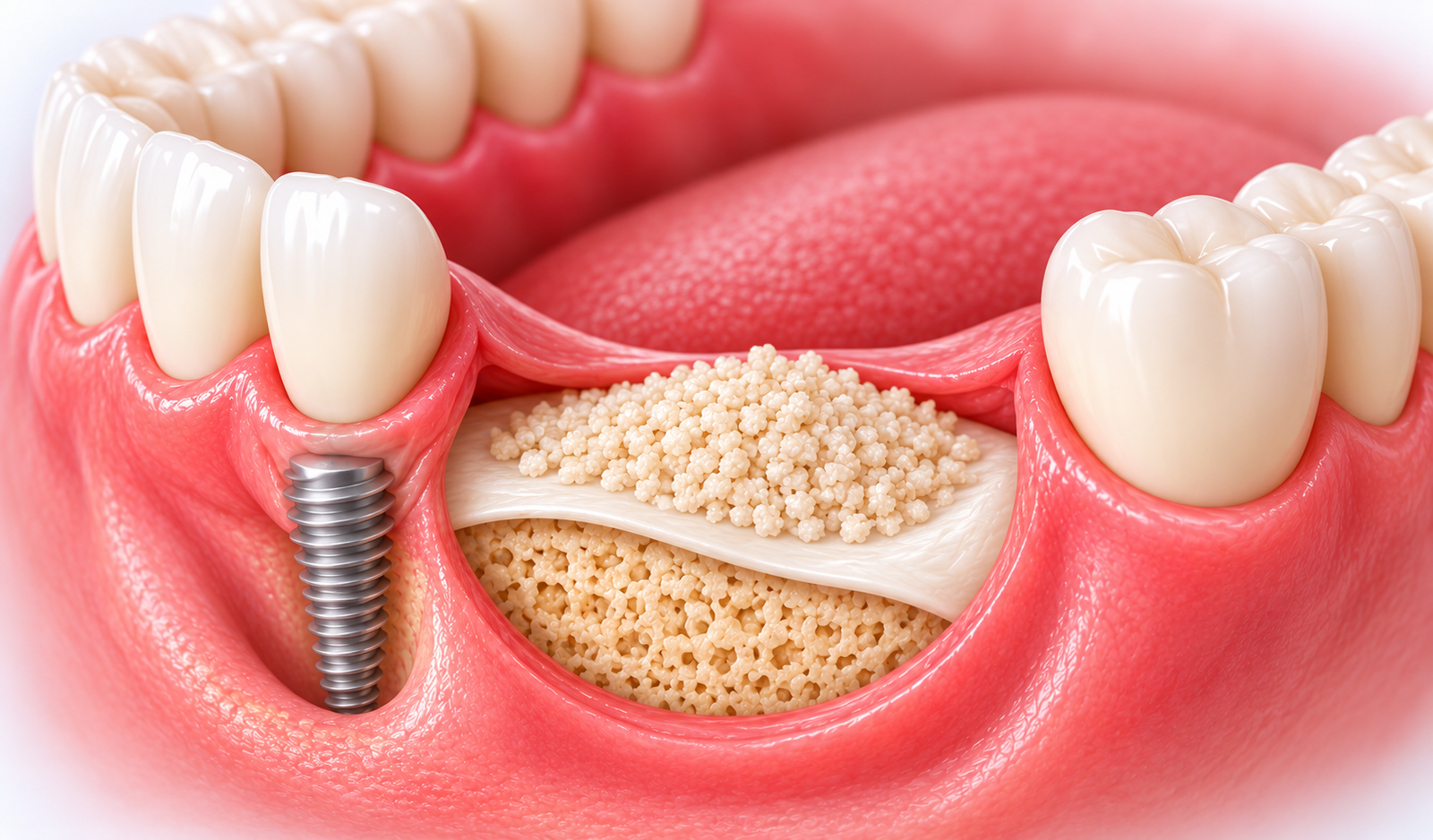
Your jawbone supports your teeth and helps maintain the natural shape of your face. When you lose a tooth or experience gum disease, infection or an injury, the surrounding bone may gradually shrink. Bone Grafting is a dental procedure that helps rebuild areas where bone has been lost. It can also provide better support for future dental treatments, such as dental implants.
Why Would You Lose Jawbone?
Your teeth stimulate the jawbone when you chew. After tooth loss, this stimulation reduces and the bone may gradually shrink.
Gum disease, infections, injuries and some medical conditions can also cause bone loss.
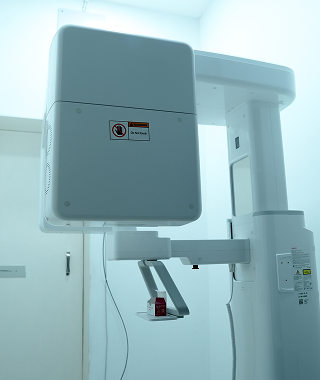
Bone loss may have no clear symptoms. Changes in gum shape or denture fit can be clues. An examination and CBCT scan, when needed, help assess the area.
What Is It Used For?
How Does Jawbone Regeneration Take Place?
Types of Dental Bone Grafts
1. Autograft
2. Allograft
3. Xenograft
A xenograft uses processed animal derived material as a framework for new bone.
4. Alloplast
When Would You Need a Dental Bone Graft?
A graft may be recommended when there is not enough bone for an implant. It may also preserve an extraction socket or repair damage caused by infection or injury.
The amount and location of bone loss in jaw areas help determine whether treatment is needed. Early assessment of bone loss in jaw areas supports planning. Some patients need no graft, while others need one before or during implant placement. Jawbone Restoration may form part of a wider treatment plan.
What Can You Expect During Recovery?
Mild swelling, soreness or bruising may occur and usually improve as healing progresses. Your dentist may recommend:
- Eat soft foods during the initial healing period.
- Take prescribed medicines as instructed.
- Keep your mouth clean without disturbing the treated area.
- Avoid smoking because it can affect healing.
- Attend all scheduled follow-up appointments.
Recovery varies with graft size and your healing response. Contact your dentist about worsening pain, severe swelling, fever or ongoing bleeding.
Will the Results Last Long?
Results depend on healing, oral hygiene and general health. Regular check-ups help monitor the area. Jawbone Restoration may improve support in suitable cases, but does not guarantee implant suitability. The need for Jawbone Restoration depends on your clinical condition.
Why Choose Dantam Dental Clinic Kondapur?
Advanced Diagnostic Technology
Personalized Treatment Planning
Guidance from Dental Professionals
Comprehensive Dental Care
If you have experienced bone loss in jaw areas or have been advised to undergo a graft before dental implant placement, schedule a consultation at Dantam Dental Clinic Kondapur. Get your condition assessed and discuss suitable options.
Before deciding on treatment, ask about the proposed procedure, expected healing time, possible risks and follow-up visits. Clear explanations help you understand each step and prepare for recovery.
Frequently Asked Questions
What is Bone Grafting used for?
Can Jawbone Regeneration happen naturally?
What are the common signs of bone loss in jaw areas?
How long does Jawbone Restoration take?
Are all Types of Dental Bone Grafts the same?
Will I always need a graft before getting a dental implant?
SUBSCRIBE
SUBSCRIBE TO OUR NEWSLETTER
Can Bone Grafting Restore Your Jawbone Strength?

Teeth Grinding at Night and Its Hidden Impact on Dental Health