

Are You Brushing Your Teeth the Right Way?
Dantam Clinics
September 24, 2026
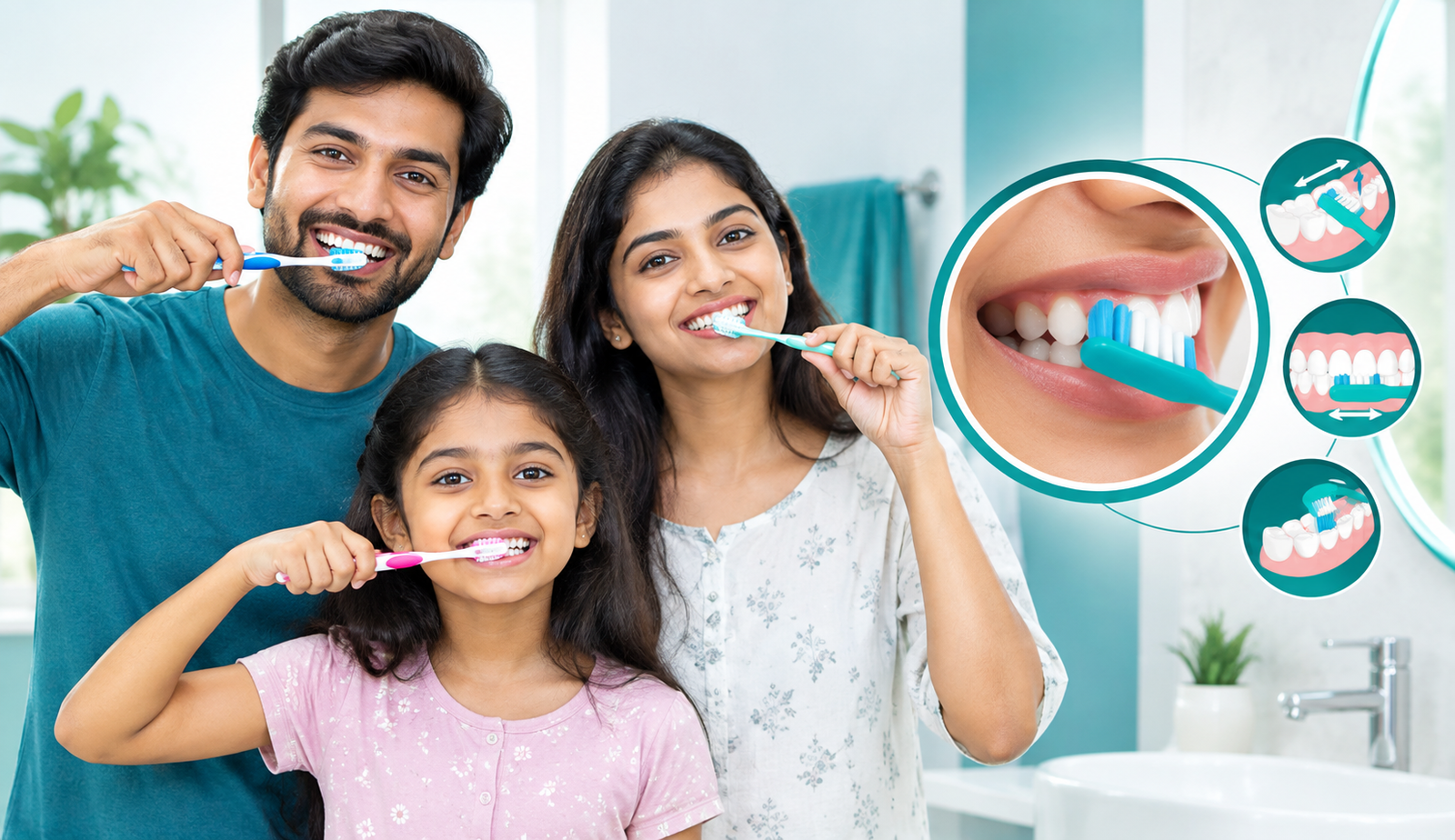
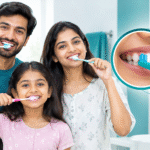
Brushing your teeth seems easy, but paying attention to the small details could make all the difference to your oral health. Learning how to brush your teeth helps you remove plaque, protect your gums, and keep your breath fresh. The goal is not to brush harder; it is to brush gently, thoroughly and consistently.
Why Your Tooth Brushing Technique Matters
Your toothbrush helps you remove plaque, a sticky mass of bacteria that constantly builds up your teeth. Plaque can cause tooth decay, gingivitis and bad breath if it isn’t removed.
A proper brushing technique ensures that you clean the front, back and chewing surfaces of your teeth while gently cleaning along your gum line. The brush should be held at an angle and you should avoid scrubbing harshly.
Choosing a Toothbrush
A soft bristled brush is usually a gentle choice for most people. Bristles that are too stiff or brushing too hard can damage your gums and cause other problems like receding gums. Using a small headed brush can help you reach the back teeth and other hard to reach places.
Whatever brush you choose, make sure you take care of it and replace it when the bristles start to fray.
How to Brush your Teeth: A Step by Step Guide
Apply Fluoride Toothpaste
Use a soft-bristled toothbrush and apply the right amount of toothpaste.
Position the Brush
Angle the brush so the bristles touch your teeth and just touch your gums. Don't press too hard or allow the bristles to bend.
Cleanse the Outer Surfaces
Using short, gentle strokes, brush the outside surfaces of the upper and lower teeth.
Cleanse the Inner Surfaces
Turn the brush towards the inner surfaces of your teeth. Take your time with the front teeth as they tend to hold more plaque.
Cleanse the Chewing Surfaces
Clean the chewing surfaces of your back teeth using short, gentle strokes. Pay attention to the grooves where plaque can build up.
Cleanse Along the Gum Line
Gently clean along the line where your gums meet your teeth. There is no need to scrub vigorously.
Cleanse Your Tongue
After brushing your teeth, gently brush your tongue to remove bacteria that can contribute to unpleasant breath.
Spit and Finish
Spit out the excess toothpaste and avoid rinsing immediately, allowing the fluoride to keep protecting your teeth.
Avoid Brushing Too Hard
Avoiding too much pressure is perhaps the main issue when it comes to brushing. It can seem that the harder you brush, the cleaner your teeth will be. However, brushing with too much pressure can cause irritation to the sensitive gum tissues.
Think of brushing as cleaning, not scrubbing. You should know that you’re brushing hard enough if the bristles are bending. Some electric toothbrushes can tell you when you’re brushing too hard and can warn you.
Common Teeth Brushing Mistakes
One of the most common mistakes when brushing is rushing. If you spend less than a minute brushing your teeth, you’re not giving your teeth the cleaning they need to stay healthy. Another problem with brushing is having a particular pattern you always follow and missing out on the same spots each time.
Using an old toothbrush is also a problem as the bristles are ineffective once they start to fray. It’s also a mistake to share your toothbrushes as the act can transfer bacteria and other germs.
Some people make a mistake and rinse their mouths vigorously with water immediately after brushing. This can wash away the fluoride in the toothpaste. It’s better to just spit the excess toothpaste away. Unless you’ve been told otherwise, avoid this teeth brushing mistake.
How Long Should I Brush my Teeth For?
Most dental professionals would say about 2 minutes brushing your teeth, twice per day. Divide the 2 minutes between the upper and lower teeth and the back, front and chewing surfaces.
Using a timer can help, especially with children and can help develop a good daily oral hygiene routine. Some electric toothbrushes come with timers to help you brush for the correct amount of time.
Cleaning Between your Teeth
Cleaning between your teeth is an important part of any teeth cleaning regime. Dental floss or an interdental cleaner can help clean between your teeth and remove plaque and food that a toothbrush can’t reach. They should be used to supplement your brushing technique but not as a substitute. Ask your dentist or hygienist for advice on which interdental cleaner is best for you.
Build a Routine You Can Maintain
Oral health is not about having a complicated teeth cleaning regime, it’s about brushing your teeth 2 times a day with a fluoride toothpaste and cleaning in between your teeth. If you have braces or other dental work or suffer with sensitive teeth or gums, your routine may need to change. If you notice sensitive teeth, bleeding, pain, swelling or bad breath, you should speak with a dental professional.
Making a few small changes to your teeth cleaning routine can really make a difference to your teeth cleaning regime. The best teeth cleaning routine is gentle enough to not cause any damage to your gums, thorough enough to remove plaque and easy enough to become a habit.
Frequently Asked Questions
How to brush your teeth?
What is the proper brushing technique?
What is the correct way to brush teeth?
How to brush teeth properly?
What are common brushing teeth mistakes?
SUBSCRIBE
SUBSCRIBE TO OUR NEWSLETTER

Does Chewing Gum Help or Harm Your Teeth?
Are You Brushing Your Teeth the Right Way?