

How Often Should You Change Your Toothbrush?
Dantam Clinics
October 15, 2026
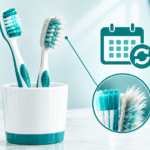
Knowing how often should you change your toothbrush and when to change toothbrush is important for keeping your mouth clean. A toothbrush helps remove plaque, food bits, and germs from your teeth and gums, but the bristles get worn down over time. If your toothbrush is worn, it may not clean your teeth well, even if you brush twice a day. Replacing your toothbrush at the right time helps keep your oral care routine working well and keeps your mouth healthy.
How Often Should You Replace a Toothbrush?
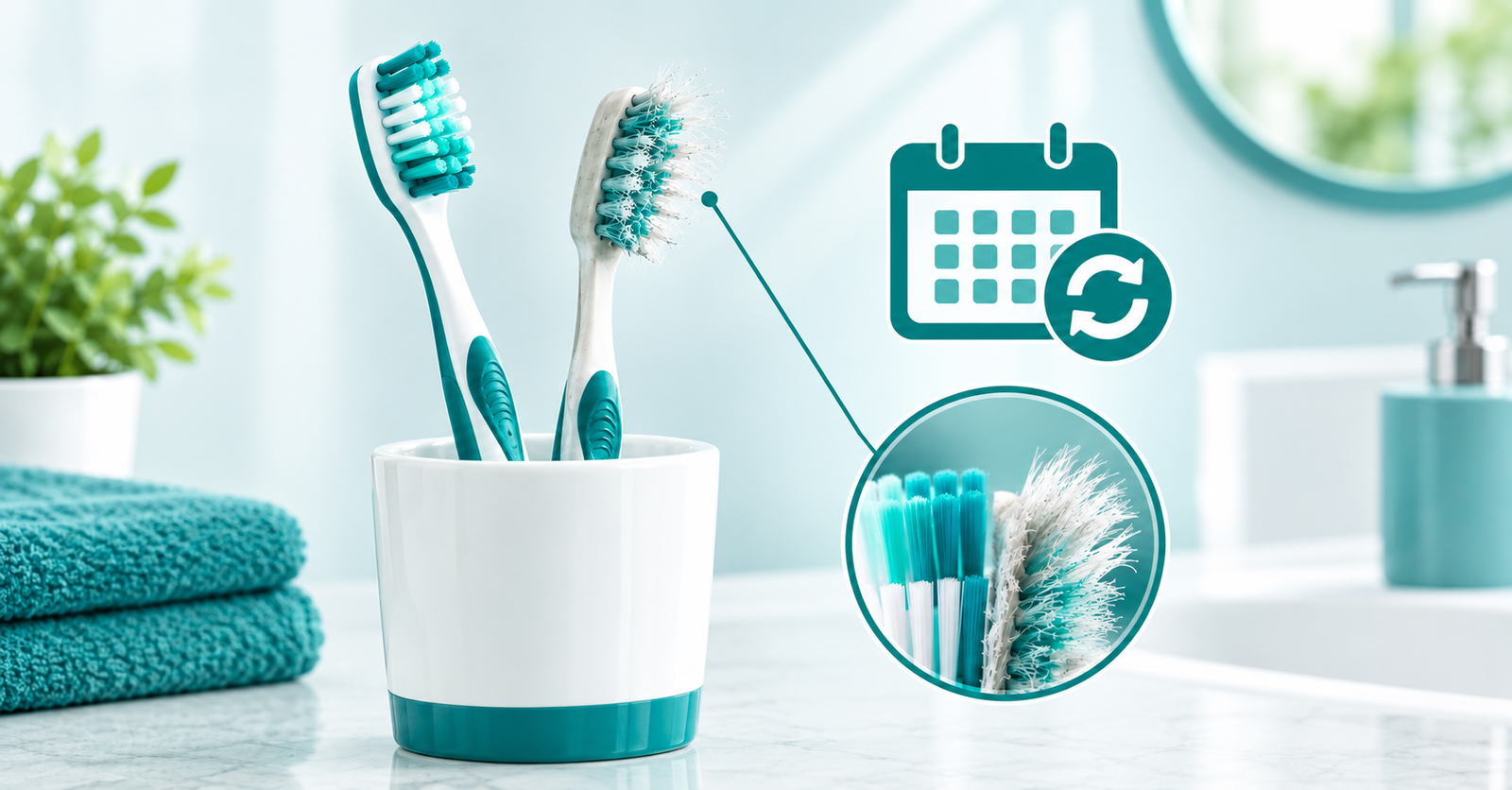
Most dentists say you should change a manual toothbrush every three to four months. But this is just a general idea, not a rule that works for everyone. If the bristles get frayed, bent, or flattened sooner, you should change the brush earlier. Worn bristles may not reach around your teeth and along your gums as well as they should. Knowing how often to replace toothbrush helps you maintain your daily oral hygiene routine.
The same rule usually applies to electric toothbrush heads, but the instructions can be different depending on the brand or model. Check the manufacturer’s instructions and check the bristles regularly.
Signs It's Time for a New Toothbrush
Frayed or Bent Bristles
Bristles Look Worn or Flattened
The Brush Has an Unpleasant Smell
You Have Been Sick
After an illness, rinse and dry your toothbrush carefully and follow your dentist or doctor’s advice. For most common illnesses, replacing your toothbrush isn’t always necessary, but it could be a good idea if it’s old or worn. If you have a specific infection or are worried about getting sick again, ask a healthcare professional for advice about when to change toothbrush.
How Long Does a Toothbrush Usually Last?
How long your toothbrush lasts depends on how often you brush, the pressure you use, and the type of bristles. Brushing twice a day with moderate pressure usually means you should check your manual toothbrush for replacement every three to four months. Children might need a new toothbrush more often because they sometimes chew on the bristles or brush too hard. If you wonder how long does a toothbrush last, inspect its condition regularly rather than relying only on the calendar.
Electric toothbrush users should check the replacement schedule recommended by the manufacturer. Some toothbrush heads have indicator bristles that fade as they wear out. These can be helpful, but they should not replace regular checks. If the bristles are damaged before the suggested time, replace the head sooner.
Does Toothbrush Replacement Affect Oral Health?
You should replace your toothbrush based on how worn the bristles are, not just the date. Regular toothbrush replacement helps you maintain effective cleaning.
A clean, well-maintained toothbrush is part of your daily oral care routine. A toothbrush with worn bristles may not clean your teeth as well, which can let plaque stay around your gums and between your teeth. Plaque buildup can lead to cavities and gum problems, especially if you don’t brush and floss properly.
Replacing your toothbrush doesn’t replace good brushing habits. Brush for two minutes twice a day using fluoride toothpaste, clean all tooth surfaces gently, and use floss or another suitable dental cleaner every day. Visit your dentist regularly for personalized advice, especially if your gums bleed, your teeth are sensitive, or you have bad breath that doesn’t go away.
Simple Habits for Better Toothbrush Care
Good storage helps keep your toothbrush clean. After brushing, rinse the head to remove toothpaste and food bits. Shake off extra water and store the brush upright so it can air dry.
Avoid keeping a wet toothbrush in a closed container for too long because dampness can lead to the growth of microbes. If multiple toothbrushes are in the same holder, make sure their bristle heads are separated so they don’t touch each other.
Place your toothbrush away from areas where it might get splashed or become dirty. Clean the toothbrush holder regularly, as dirt and leftover toothpaste can build up at the bottom. Never use someone else’s toothbrush, even if it looks clean, and avoid brushing too hard. Brushing gently helps keep the bristles from wearing out quickly and is better for your gums. These steps help keep your mouth healthy, but they don’t mean you don’t need to replace a toothbrush when it gets worn out. Understanding how often to replace toothbrush heads and manual brushes helps you follow a consistent care routine.
Frequently Asked Questions
How often should you change your toothbrush?
How often to replace toothbrush heads on an electric brush?
When to change toothbrush after getting sick?
What is the best way to manage toothbrush replacement?
How long does a toothbrush last if I brush twice daily?
SUBSCRIBE
SUBSCRIBE TO OUR NEWSLETTER
How Often Should You Change Your Toothbrush?
Braces vs Aligners: Which Is Better for Straight Teeth?